How beauty brands secretly use AI across the whole funnel
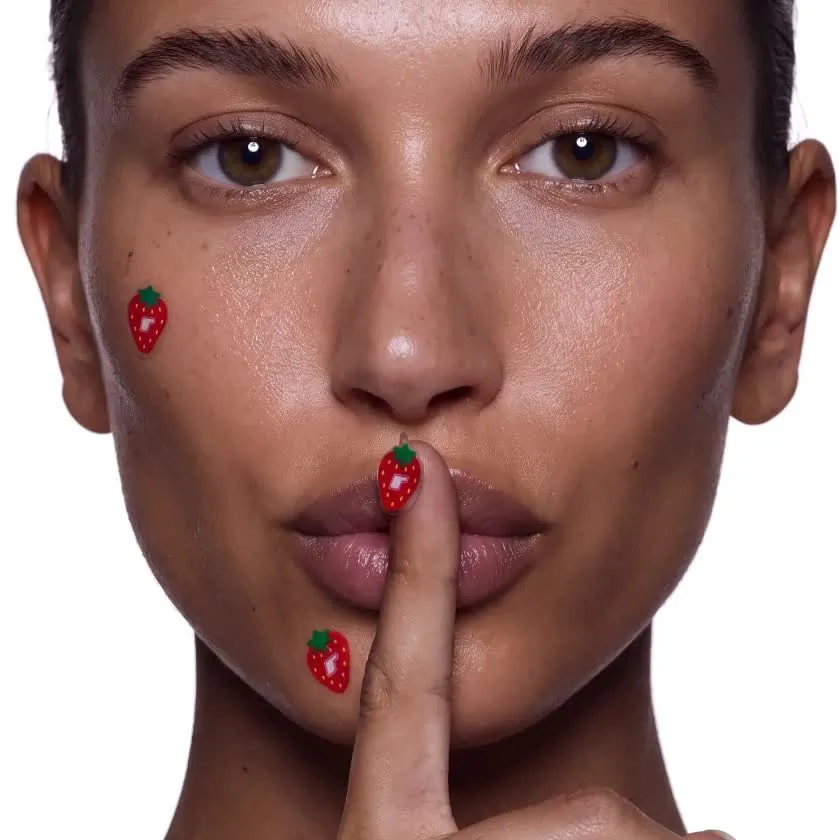
Scroll any beauty brand's Instagram, walk past their Sephora end-cap, open the email that landed this morning, even look at the render on a product page. A growing share of it was made, or at least finished, with AI. Most of it is never labelled, and that is rather the point: done well, you are not supposed to be able to tell.
This is a plain-English tour of where AI actually sits inside a beauty brand's funnel, stage by stage, and what it quietly changes about how the work gets made.
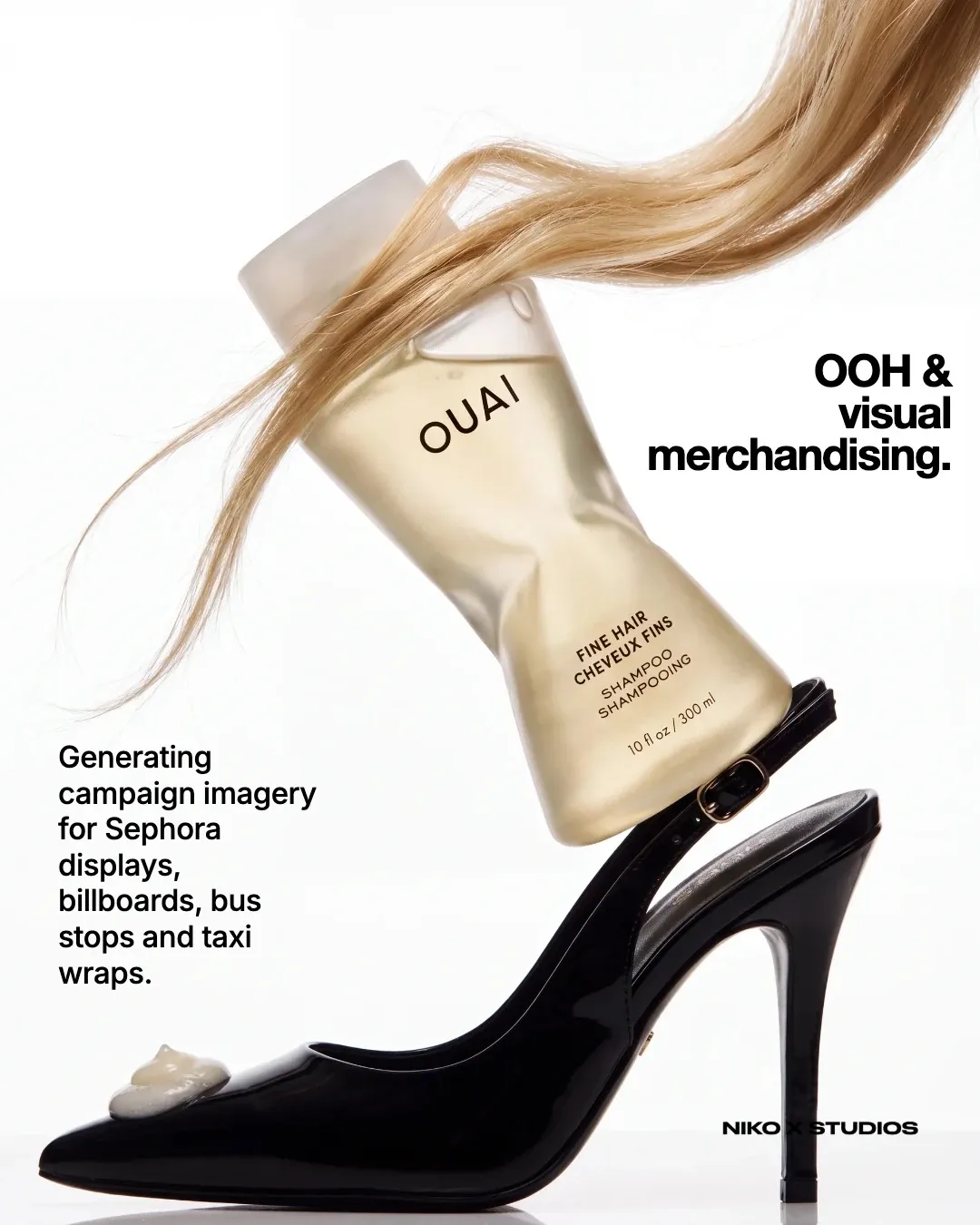
1. Out-of-home and visual merchandising
The billboard, the bus stop, the taxi wrap, the Sephora display. The big formats that used to need a full photoshoot and a location are increasingly generated: one hero product, one unexpected twist, and a lot of clean space for the headline. The trick that sells it is realism — feed the model a photo of the actual bus, taxi or store, and the image stops looking like a studio render and starts looking like it is already up.
2. Paid social and email
The ad in your feed and the email in your inbox are the same job: one image that stops the thumb. Because the images are generated, a brand can test ten angles of a product on ten surfaces in the time it used to take to book one photographer, then put spend behind whichever one performs.
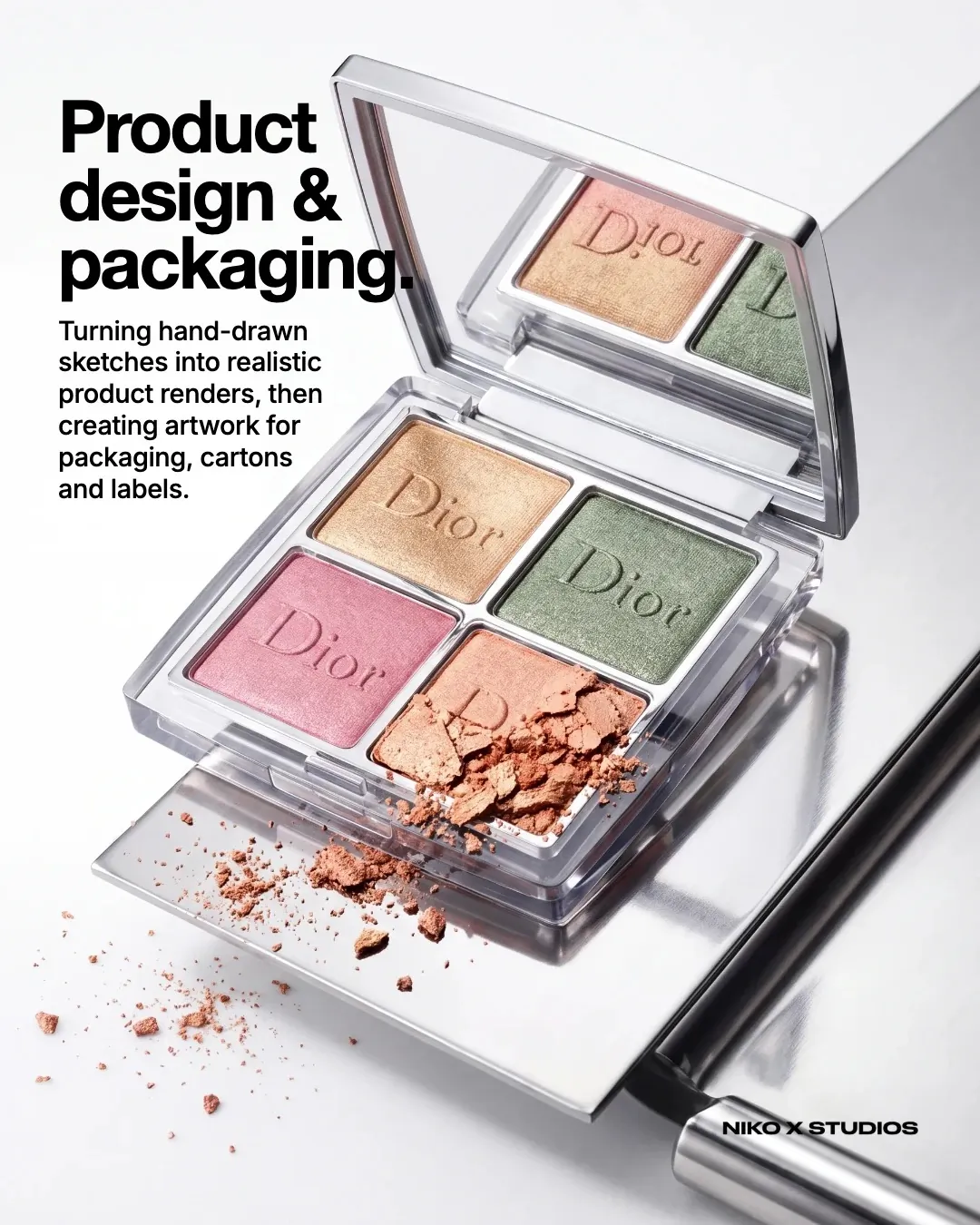
3. Product design and packaging
This is the one people find most surprising. Before a product is even tooled, the packaging is designed and signed off internally as a render. A hand-drawn sketch becomes a photoreal palette, bottle or carton, down to the embossed logo and the powder texture. Teams are previewing the shelf months before the mould exists.
4. PR kits and influencer seeding
The influencer mailer, the press release, the unboxing insert. The printed visuals that travel with a product are generated too, carrying one campaign motif onto every surface so the whole seeding run feels like a single idea.
5. Experiential marketing
Launch backdrops, pop-up walls, digital screens, even the dinner menu at the press event. The imagery that wraps a physical experience is generated at huge sizes, usually as one tactile macro with room to breathe around it.
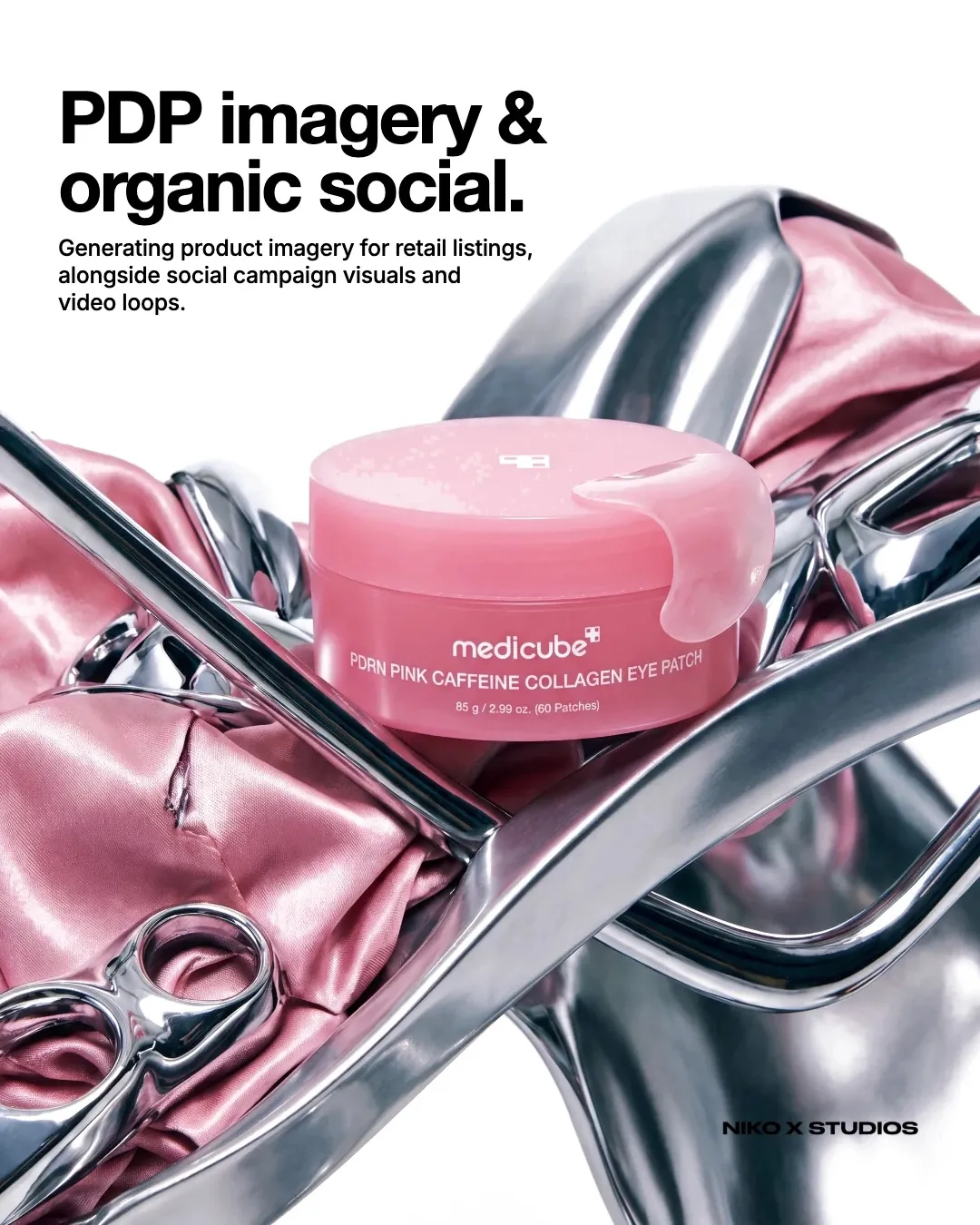
6. PDP imagery and organic social
The everyday workhorses: the retail listing image, the organic social post, the looping video. One sculptural set, shot once as a still that also works as a slow push-in, and a single asset ends up covering both the product page and the feed.
So why don't brands shout about it?
Because the advantages are all operational, not emotional:
- It is faster — a campaign that needed a shoot and a studio can ship in a day.
- It is cheaper — no location, no crew, no product samples flown in just for a render.
- It is consistent — the same product, the same light, across every format and market.
- It scales — ten variants to test instead of one hero, for the same effort.
And the honest reason it stays quiet: done properly it is invisible, and “shot on AI” is not a selling point to the customer yet. The brands winning with it are the ones treating it as a craft, not a shortcut.
The part that actually matters: the prompt
The thing that separates a convincing brand image from a generic AI one is almost never the model. It is the prompt and, more than that, the references you attach to it — the real product, the real surface, the real placement. Get those right and the output looks art-directed. Get them wrong and it looks like everyone else's.
I put the exact prompts behind each stage of the funnel into a free pack: what to write, what to attach, and the best size to render for each placement.
Get the free prompt packFree →The beauty brand AI prompt pack
Six prompts for the whole funnel, the exact references to attach for each, and the best sizes. Free, straight to your inbox.
Get the free prompt packFree →
How to steal a movie and direct it into an AI brand film
The skill in AI film was never the prompt. It's the direction, and here's the order I lock a film in.
AI beauty images that actually keep real skin texture
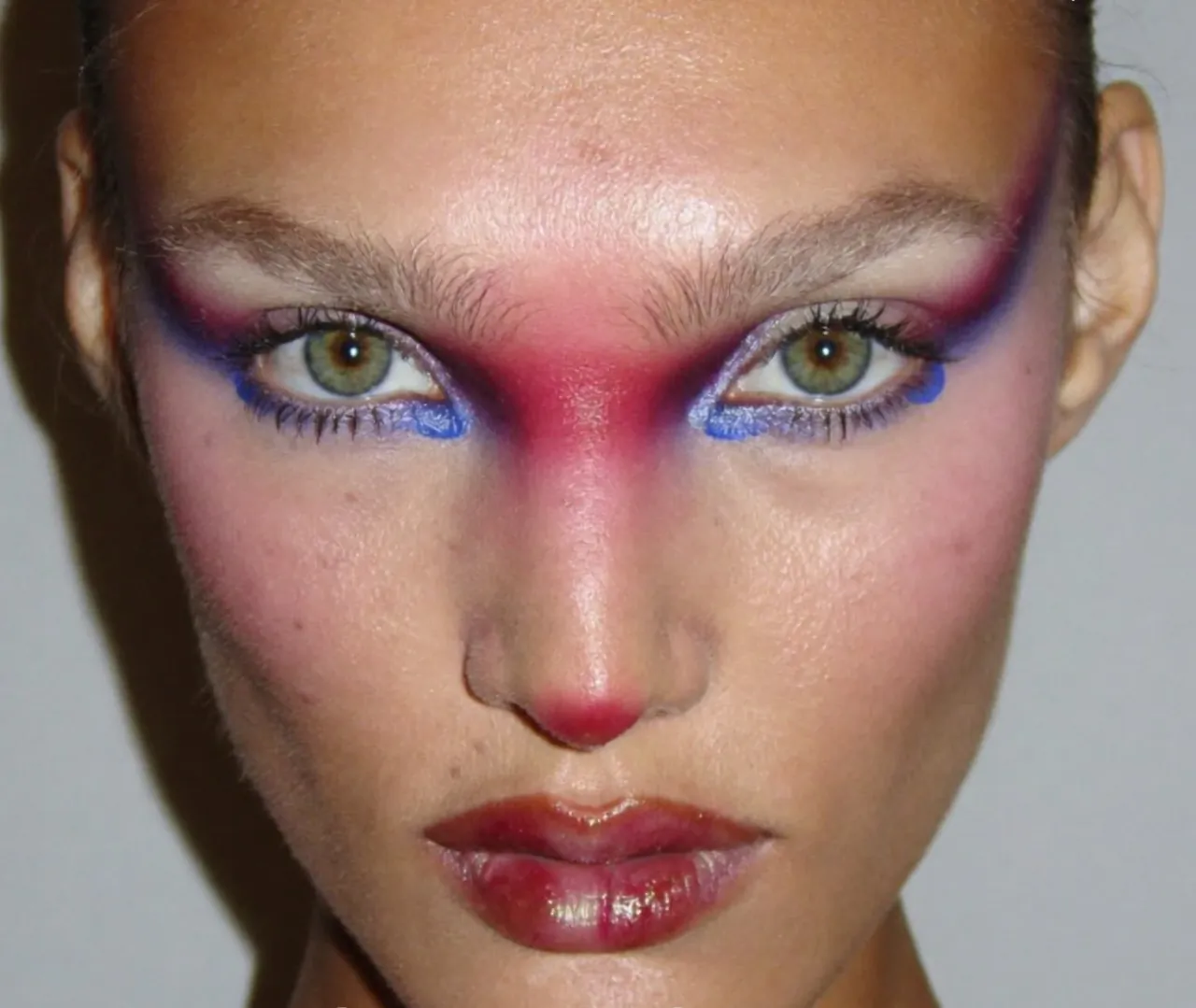
The poreless, clean-girl AI look is the giveaway. Here's how to prompt skin that reads as real.