How to turn one selfie into a cinematic AI skincare ad
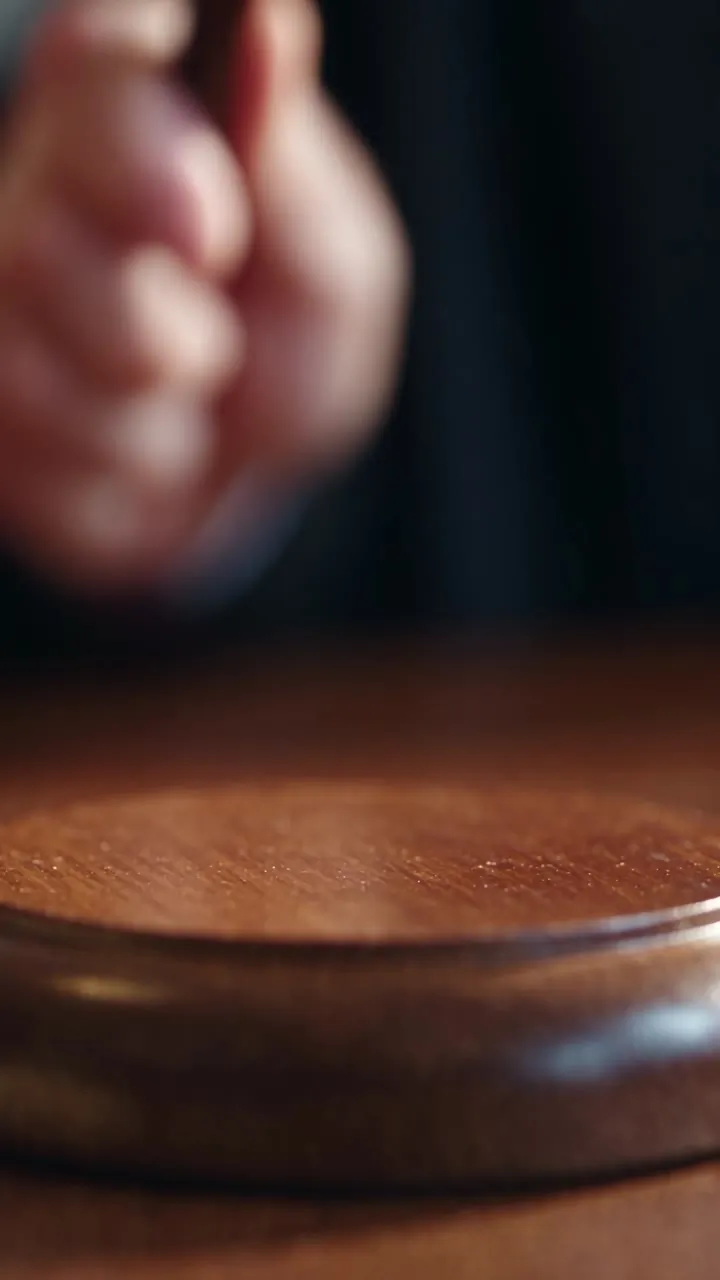
You do not need a film crew to make something that looks like a 35mm commercial anymore. This skincare film, a woman put on trial by a jury of strangers for her skin, was built from four still images and one reference cut. The craft is not in the render, it is in how you stack the references and direct the edit.
Stack your references with clear jobs
The model is only as good as what you feed it. Here, four stills each had one job: the product and its exact colour, the lead's face, the hero prop, and the world. Then one muted reference video set only the timing and framing. The rule that keeps it on brand is simple: the images come first, so wherever a video and an image disagree, the image wins.
Recreate a cut you already love
Instead of directing the pacing from scratch, take an edit whose rhythm works and recreate it second for second: the same framing, the same camera moves, the same cutting rhythm. Then change only what has to change. That is how the whole thing lands with a professional sense of timing without guesswork.
Earn the first second
The opening has to grip immediately, so there is no establishing shot and no slow build. It opens already tight and tense, like a thriller, holds one beat longer than is comfortable, then breaks hard. After that the pace never drops until the end.
Direct the voices like a director
AI film gives itself away in the voices first. The fix is to direct them like a casting director, not a text box: real cadence, breaths, hesitation, lines that overlap and step on each other like a real room. Keep each character's voice identical every time they speak so they stay one person across the whole film.
The full prompt behind this one, the grade, the cast, the voices and the shot-by-shot breakdown, is free.
Get the free promptFree →The Judge & Jury prompt
The full prompt behind the film, free. Comment-to-unlock, straight to your inbox.
Get the free promptFree →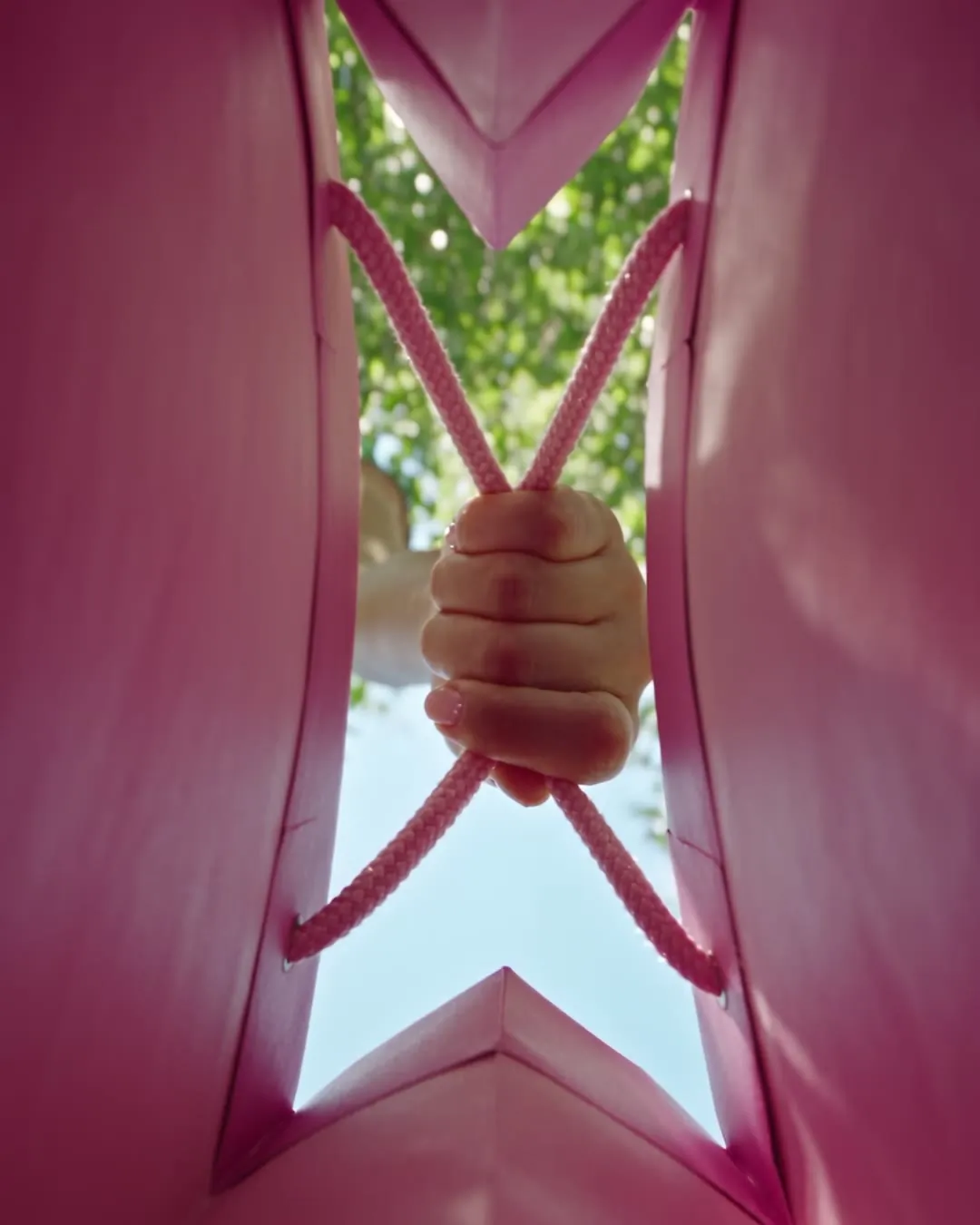
How to shoot an AI beauty ad from inside a shopping bag
One lens, living at the bottom of a paper bag, looking up. Here's why it stops the scroll.
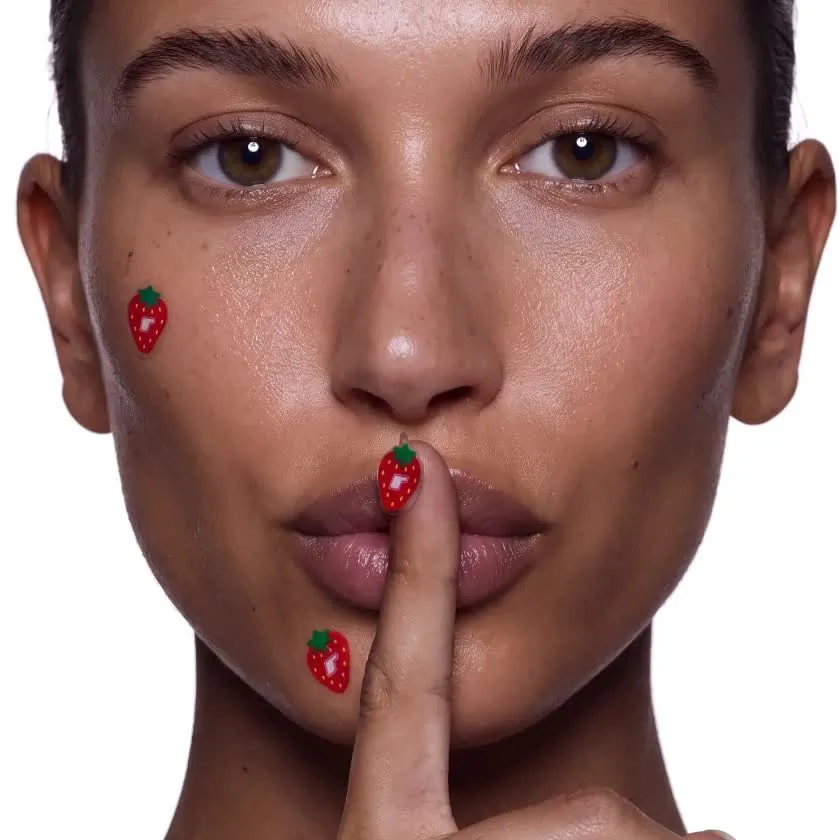
How beauty brands secretly use AI across the whole funnel
From the billboard to the inbox to the product that doesn't exist yet, here's every place AI is quietly doing the image work.