The clean girl era,
is over.
clean, poreless, airbrushed skin is done.
the look now is makeup with drama,
and skin that still looks like skin.
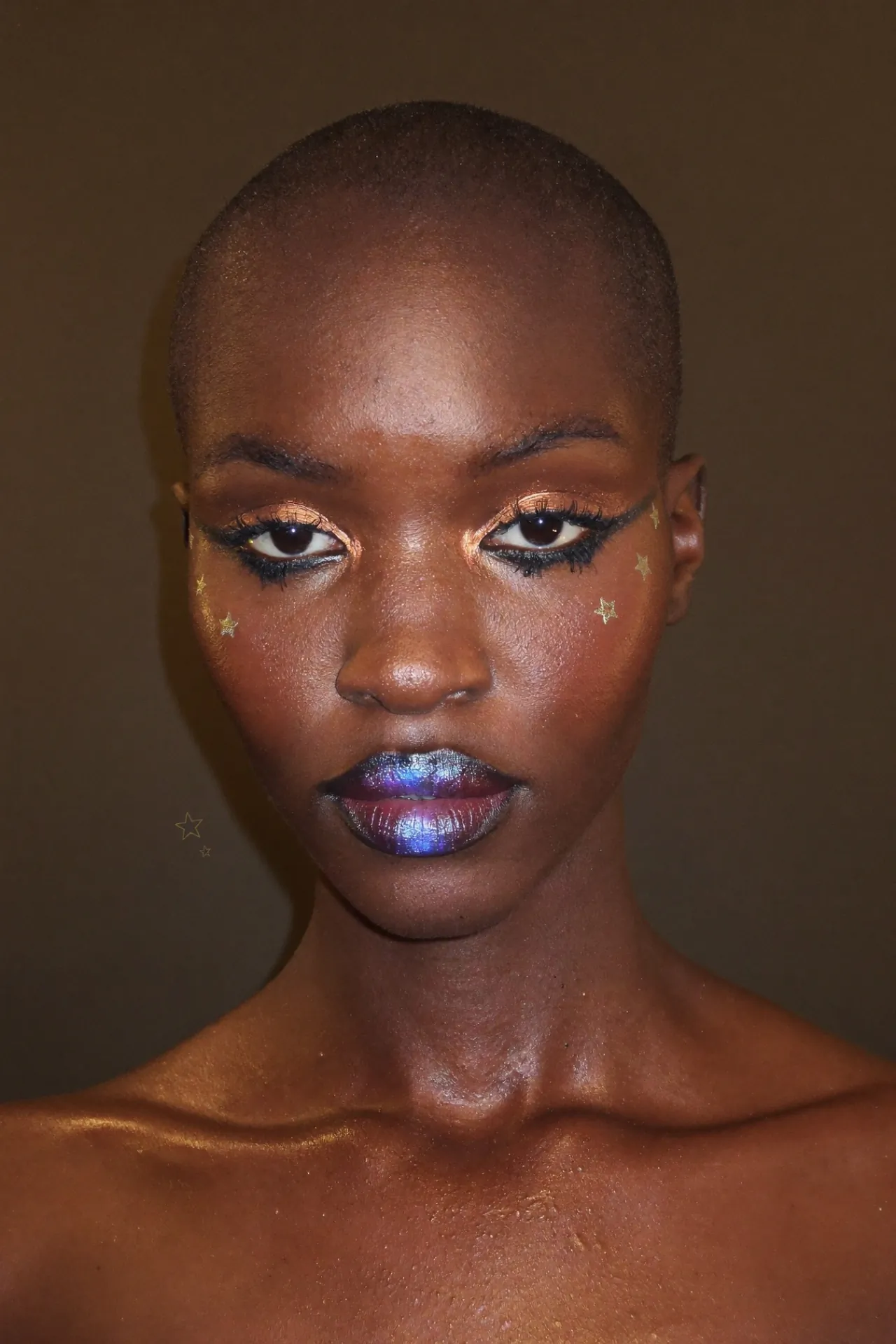
gucci ss27 sent me back into the vogue archives, and there it was: pores beneath foundation, liner that had moved, shine coming through at the nose. that late nineties, early two thousands beauty i keep wanting to return to.
the hard part with ai is that it wants to smooth all of that away. so you stop asking for flawless skin, and start describing how the makeup actually behaves on a real face. here are the prompts i use.
WHAT TO KEEP VISIBLE
SKIN THAT LOOKS
like skin.
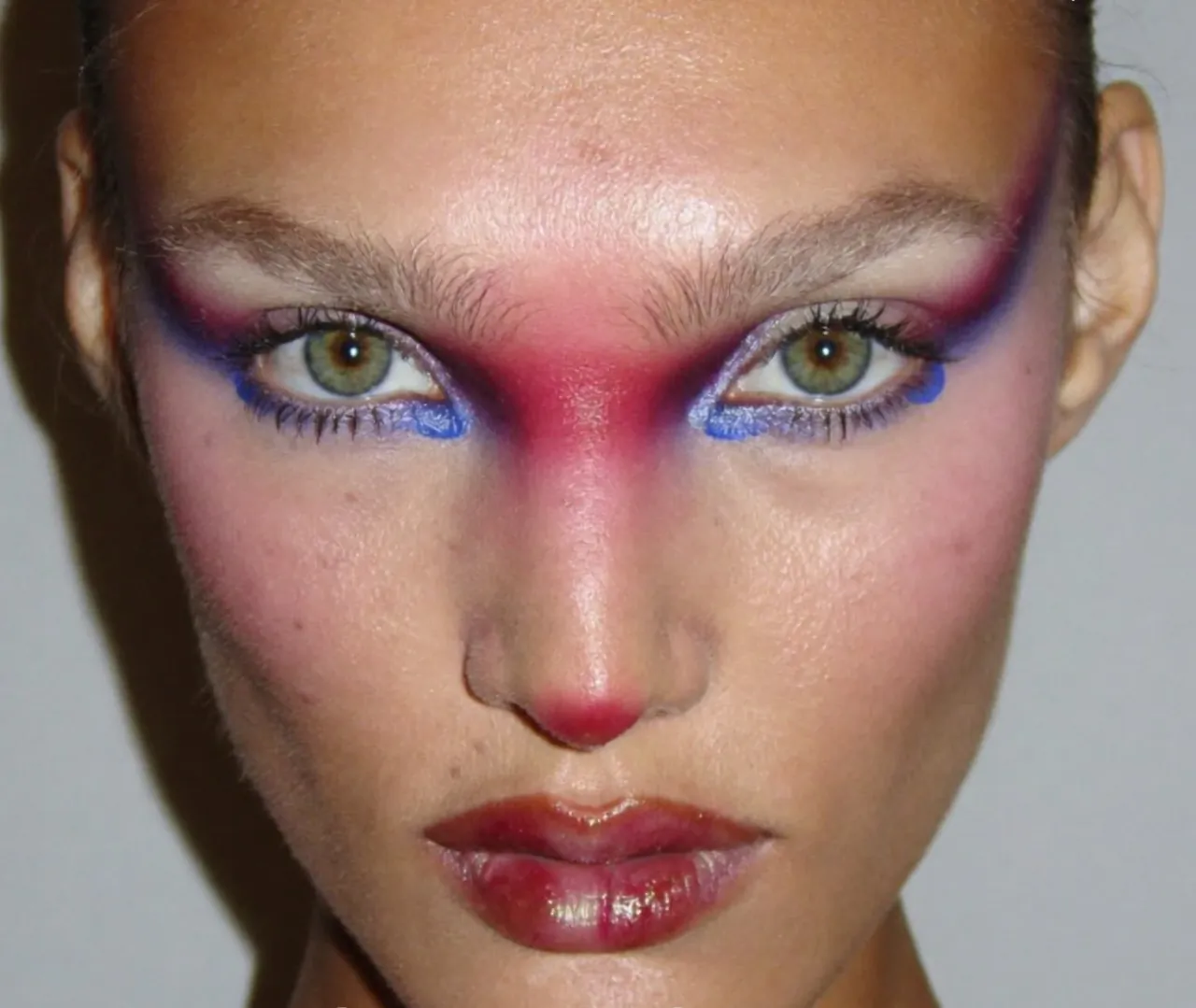
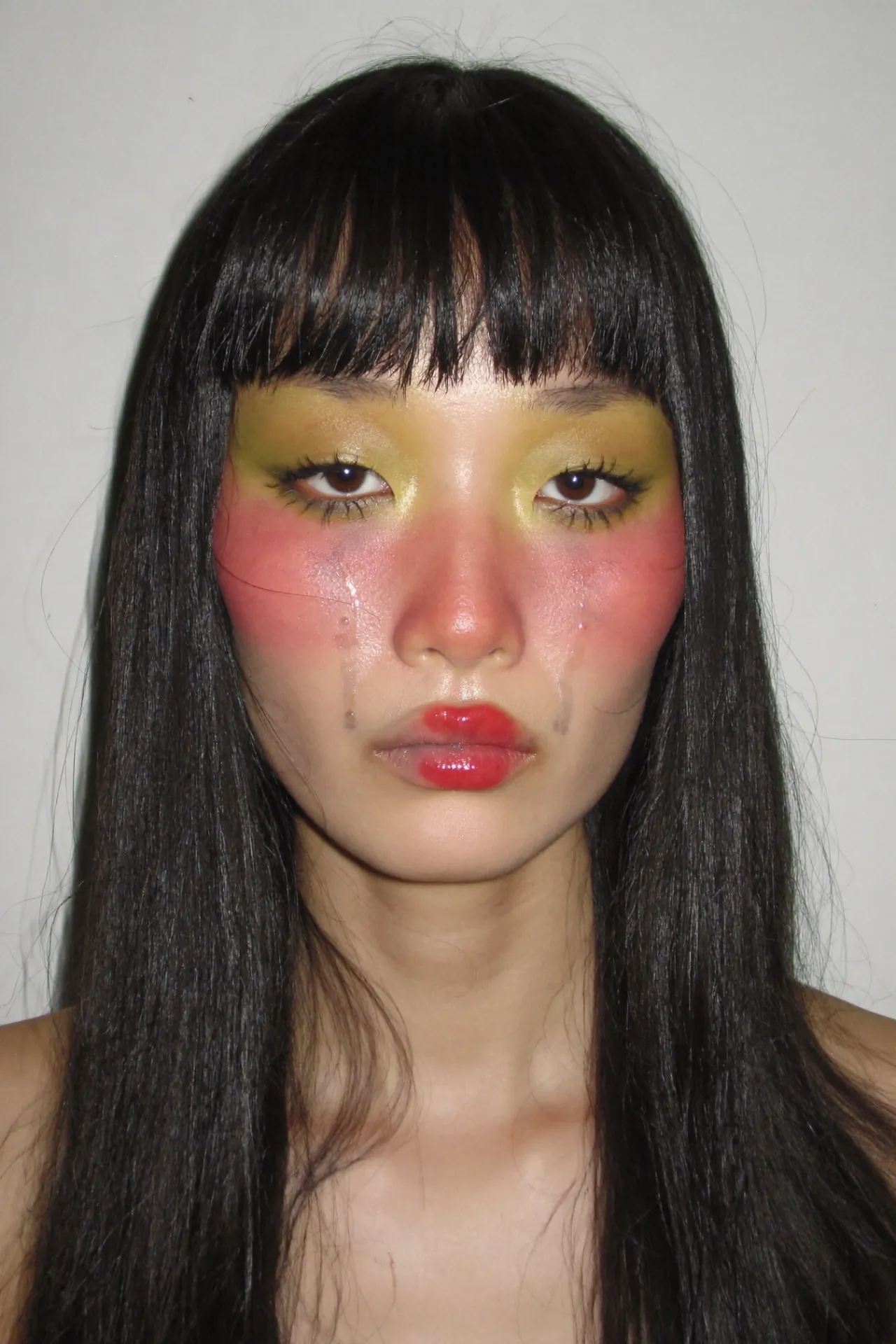
peach fuzz catches the light. foundation settles into a crease. an oily t-zone comes through. the surface has a history beneath the product, and even heavy coverage should leave some of it visible.
so you name that behaviour in the prompt instead of asking for coverage. the skin reads as real because you told it to keep being skin.
the plastic look gives the ai away in a second. real texture is what sells the whole image.
EYES THAT HOLD
a little time.
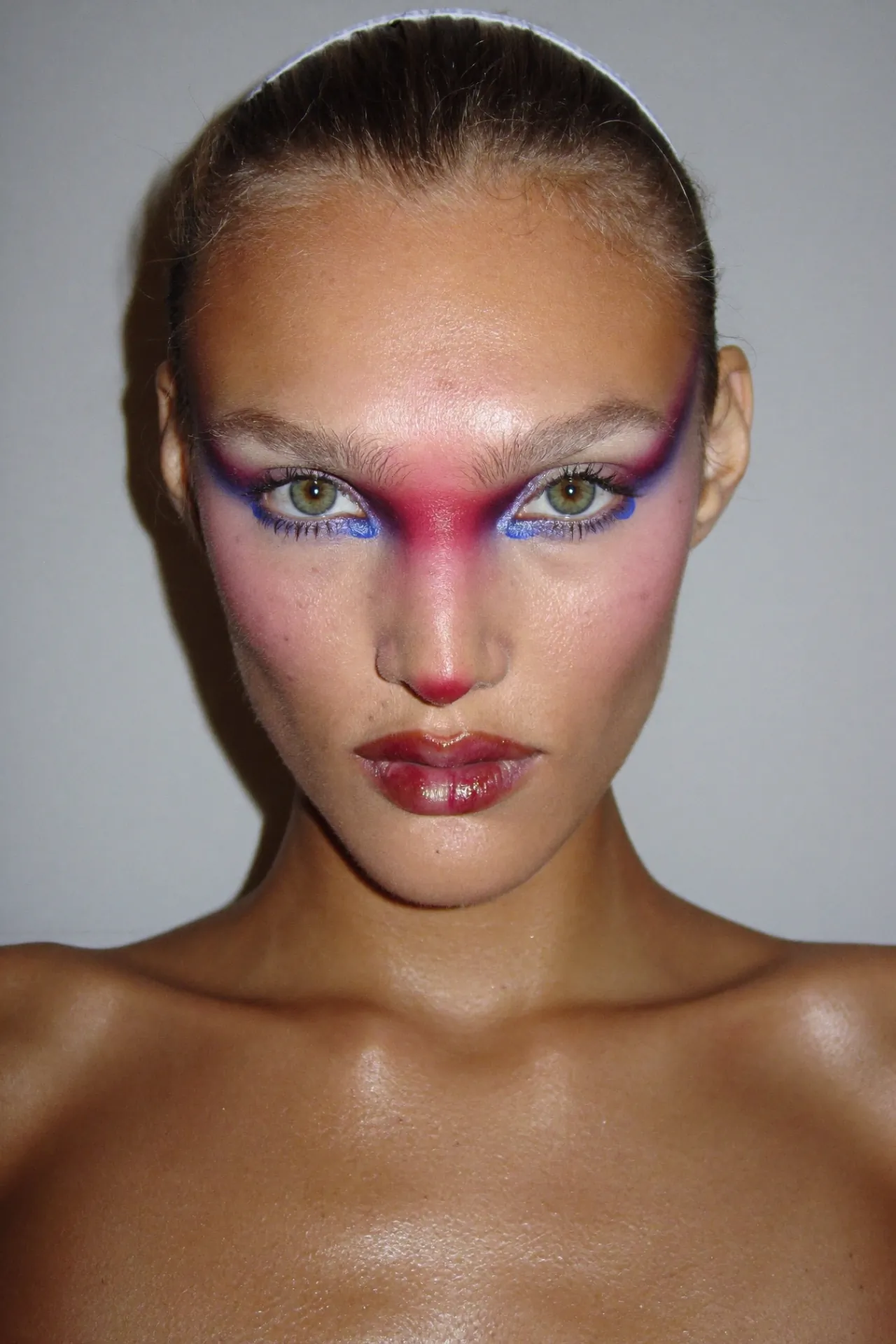
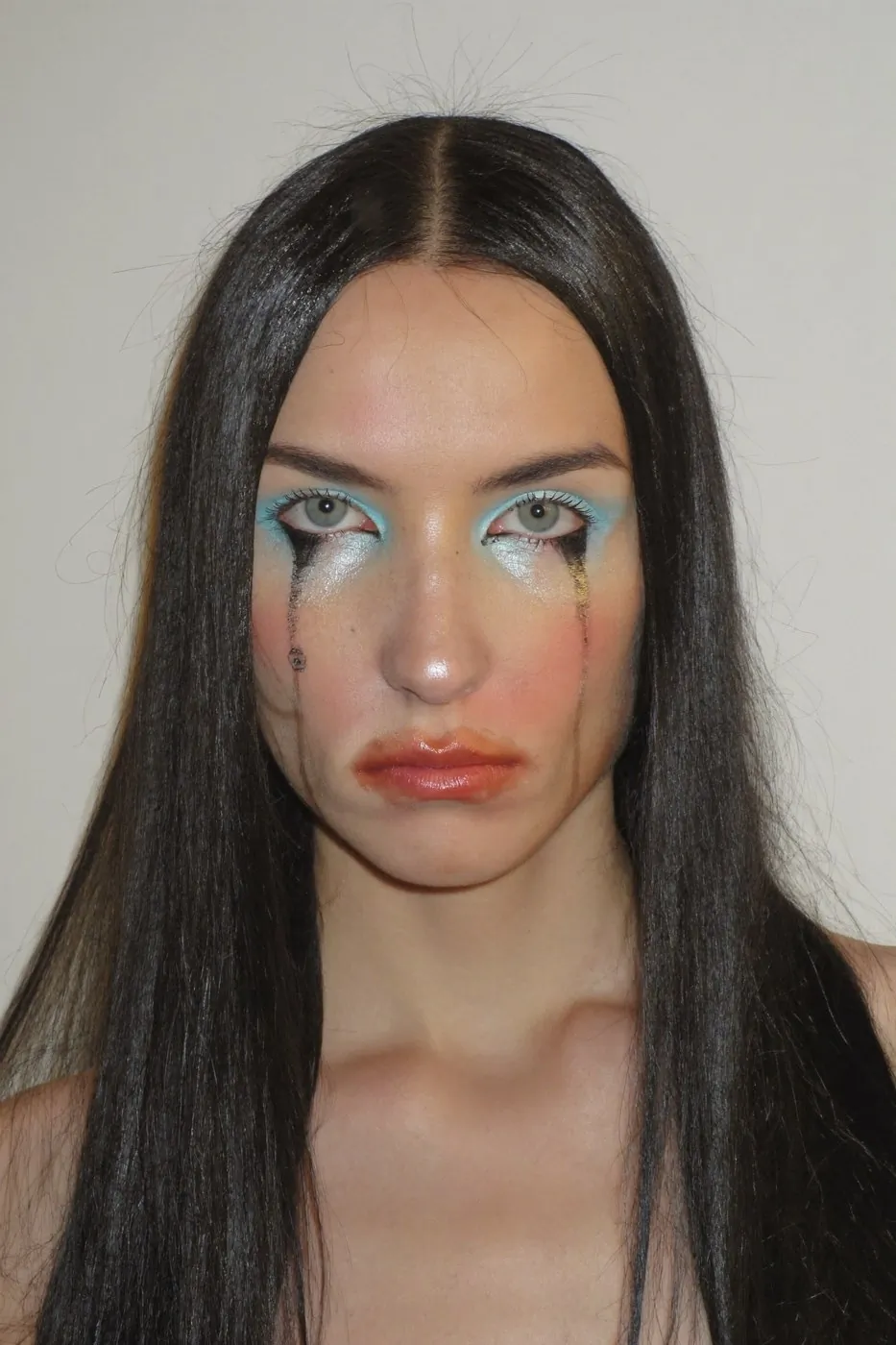
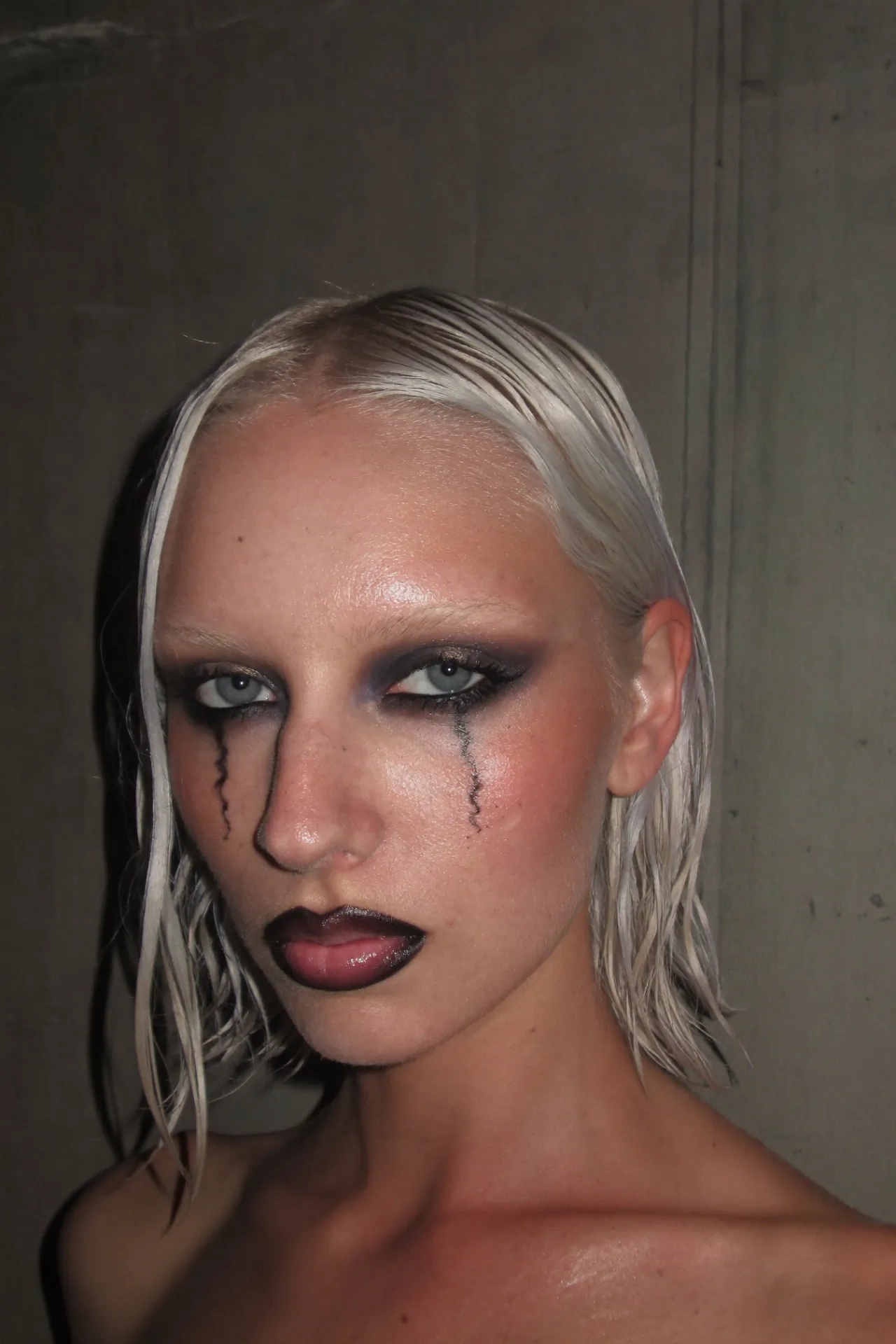
shadow bled around the eye. black liner smudged and run into dried tears. pigment gathering in the crease. i am drawn to makeup that looks a few hours old, because it suggests someone has actually been wearing it.
ask for the move and the wear, not a crisp first application. that small bit of time is what makes an eye look believable.
a perfect, untouched eye looks rendered. a little wear reads as lived in.
DARK LIPS WITH
their texture.
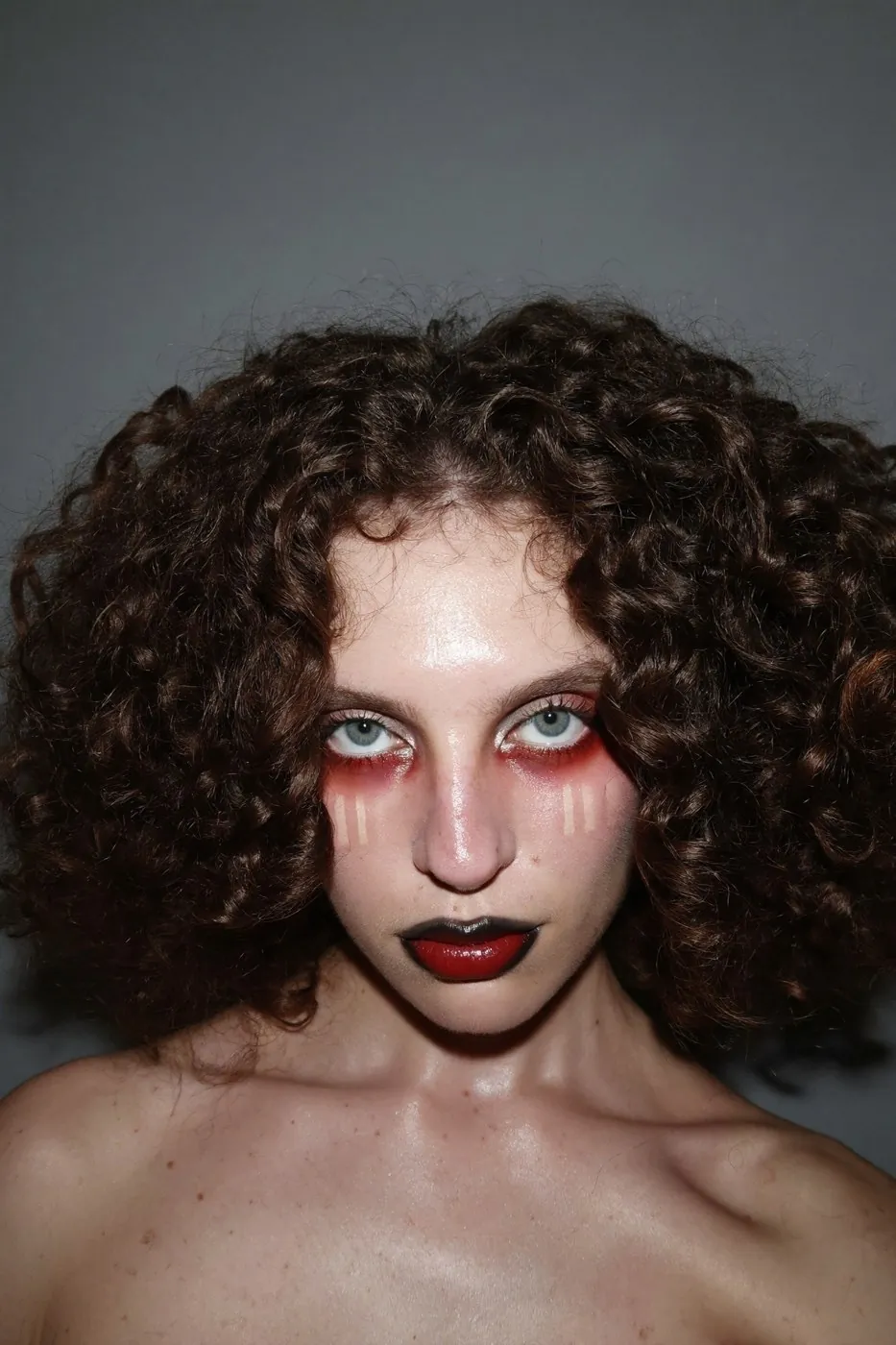
chocolate, berry, blackened plum. the depth draws you closer, and the fine lines are what make you believe it. let the colour run as a gradient: darker at the edges, thinning to a glossy centre, the vertical lip lines showing through.
pick the shade, then describe how the colour sits, so the mouth still feels capable of moving.
a flat, even dark lip looks painted on. the texture is what makes it a real mouth.
A FACE THAT FEELS
like itself.
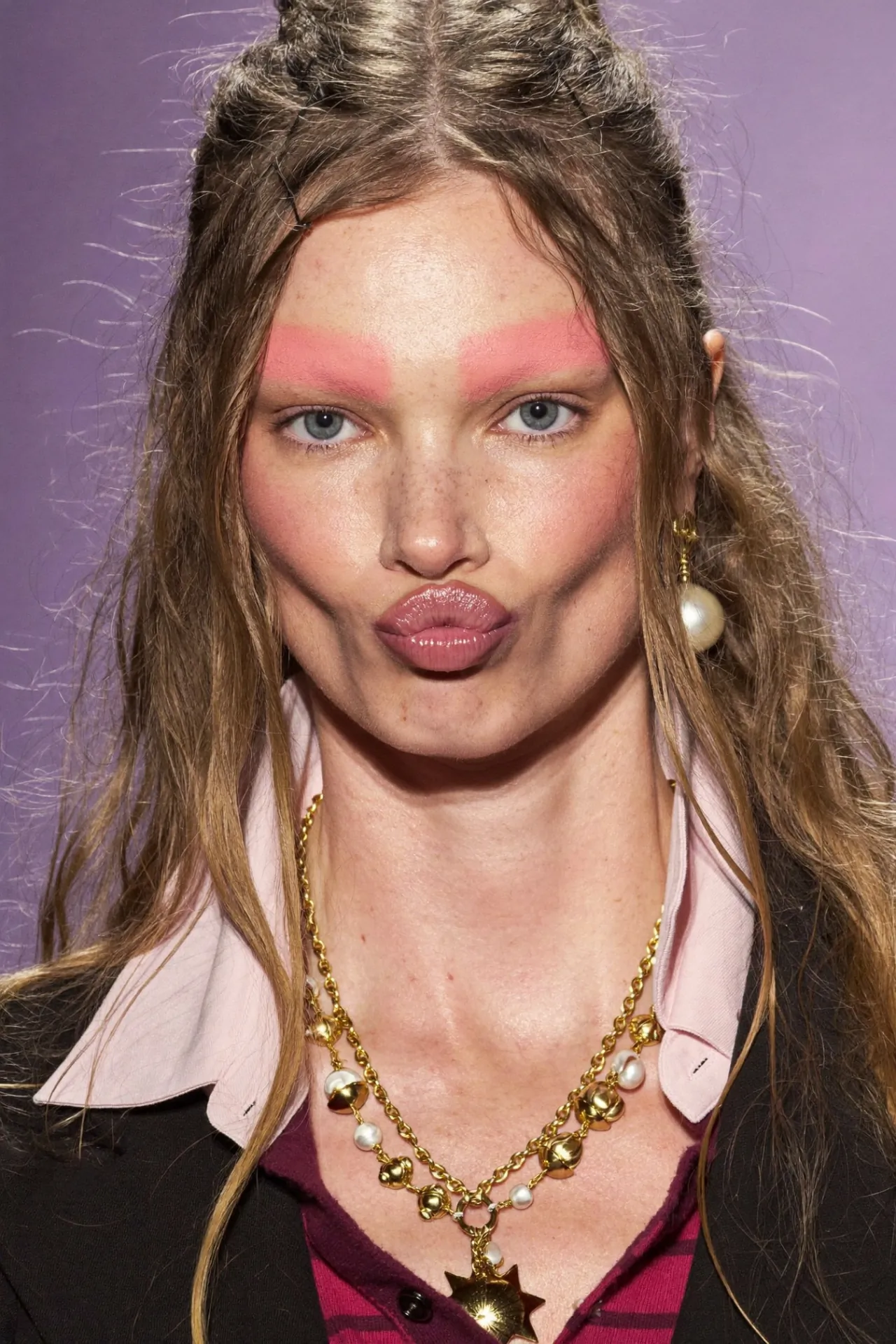
blush sits over freckles. a few brow hairs cross. a loose strand touches the cheek. there is something compelling about a deliberate look that leaves these details alone.
keep the human marks in the frame and you can still sense the person beneath the styling. that is the whole difference.
erase the freckles and stray hairs and you erase the person. the details are the realism.
DESCRIBE THE
behaviour.
the thing that changed my ai beauty work: stop writing flawless skin, because it strips out everything above. the useful prompt describes how makeup behaves on a face, and that relationship is what makes the image convincing.
pores beneath pigment. oil through foundation. lip creases under gloss. put those behaviours in one line and generate.
ask for perfect and the model smooths it to plastic. ask for behaviour and it keeps the skin.
GET MORE
out of it.
Prompt the behaviour
not the finish. describe what the makeup is doing to the skin, and the realism comes for free.
Never say flawless
flawless, poreless, airbrushed all smooth the face to plastic. ask for natural skin texture instead.
Add a little time
makeup that looks a few hours old reads as worn, not rendered. soften the liner, let pigment gather.
Shoot it on flash
a soft direct flash catches peach fuzz, shine and texture. it is the lighting that exposes real skin.
Keep the human marks
freckles, stray brow hairs, a loose strand. leave them in and the person stays in the picture.
Name the shade
chocolate, berry, blackened plum. a specific colour plus its texture beats a vague dark lip every time.
WHAT TO AVOID
THE LOOK
with ai.
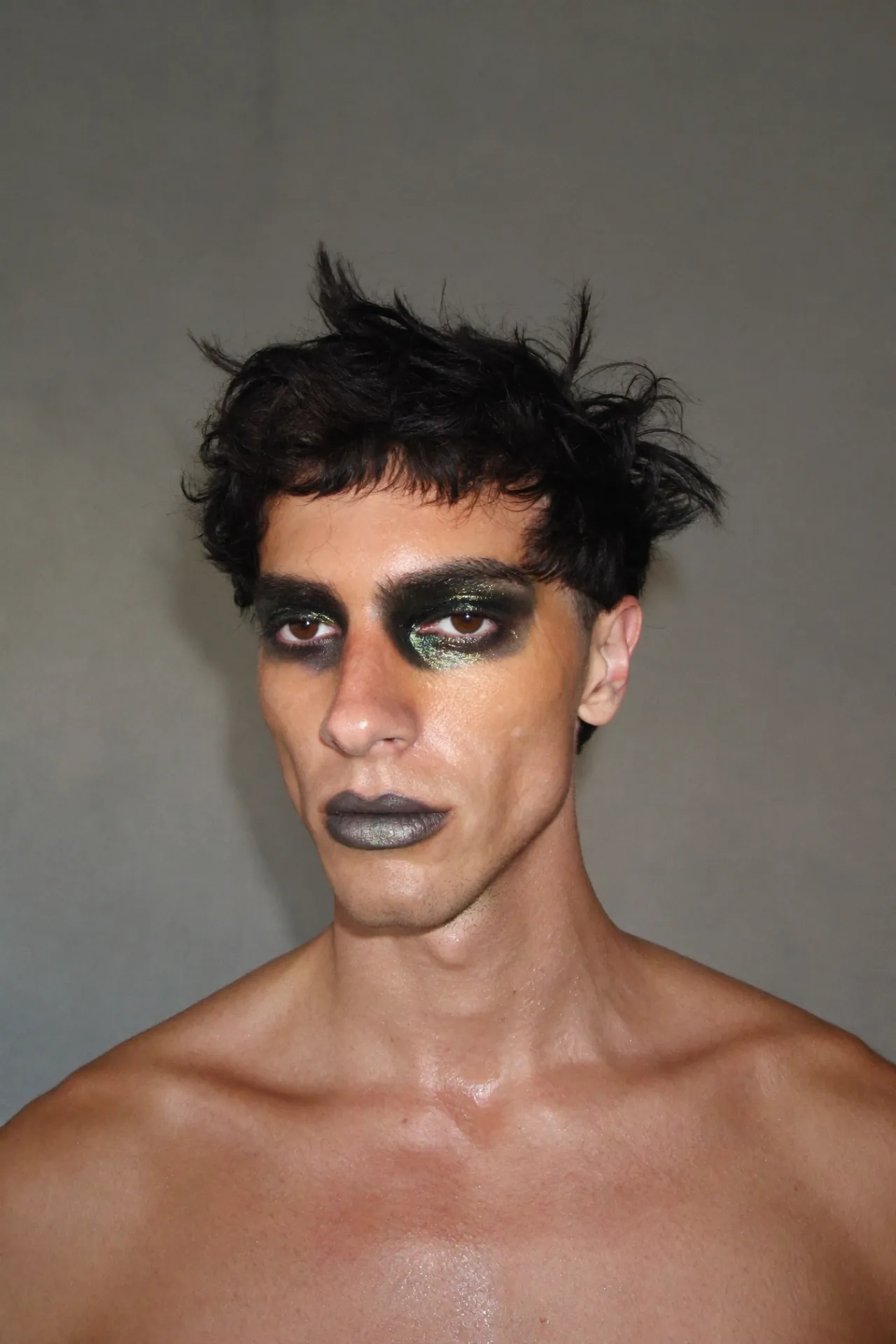
the same thinking across different faces: drama up top, and skin that still behaves like skin underneath. the exact prompt and settings for each of these is in the download above.
MAKE THE SKIN
look real.
Prompt the behaviour, not the perfection. Pores beneath pigment, oil through foundation, creases under gloss.
That is the whole difference between a render and a face.