Steal any movie,
direct your film.
i stole a whole movie and turned it
into a five minute film for a beauty brand.
the skill was never the prompt. it was the direction.
once you can picture the film, the whole job is communicating it clearly and in the right order. that is direction, and it is the thing that actually separates good ai film from the generic kind.
i took the world of clueless and directed it into a five minute beauty brand film in openart director. here are the areas i direct, the order i lock them in, and the exact lines i use. save this one.
DIRECT IN THIS ORDER
STEAL
the look.
do not describe a vibe, steal a real one. pick a film whose world matches your product's feeling and pull its stills straight from film grab. i took clueless, so the whole thing inherits its framing, colour and era.
and references are not only stills. download a short clip from youtube or a reel and feed that in too. on a star wars video i pulled a few seconds of footage just for its colour grade, and it layers that exact look onto the film you build, grade and motion together.
a real reference does more than a pile of adjectives ever could. you are borrowing the look, not the plot.
you get a generic ai vibe. steal a real film's world and it looks made on purpose.

CAST
once.
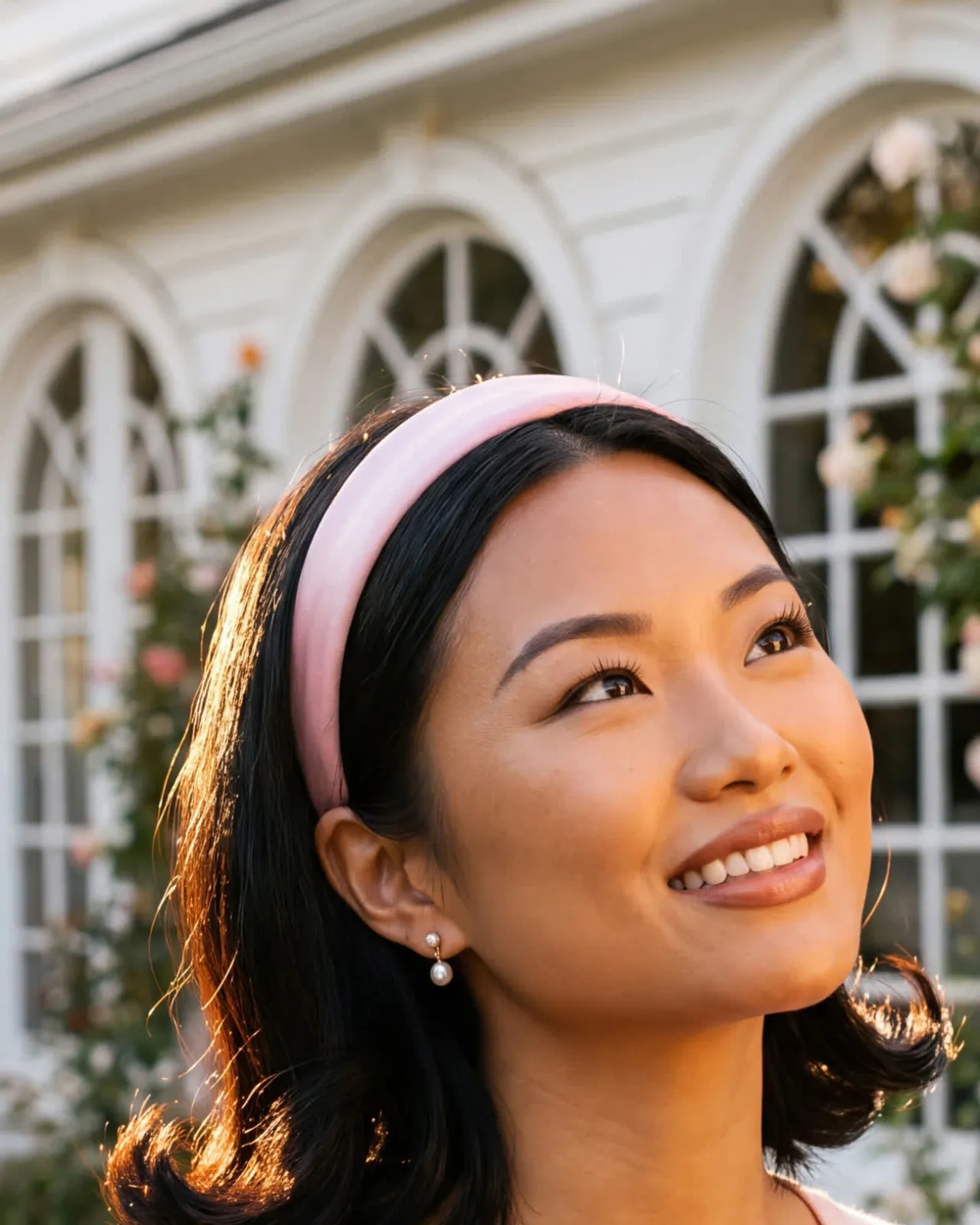
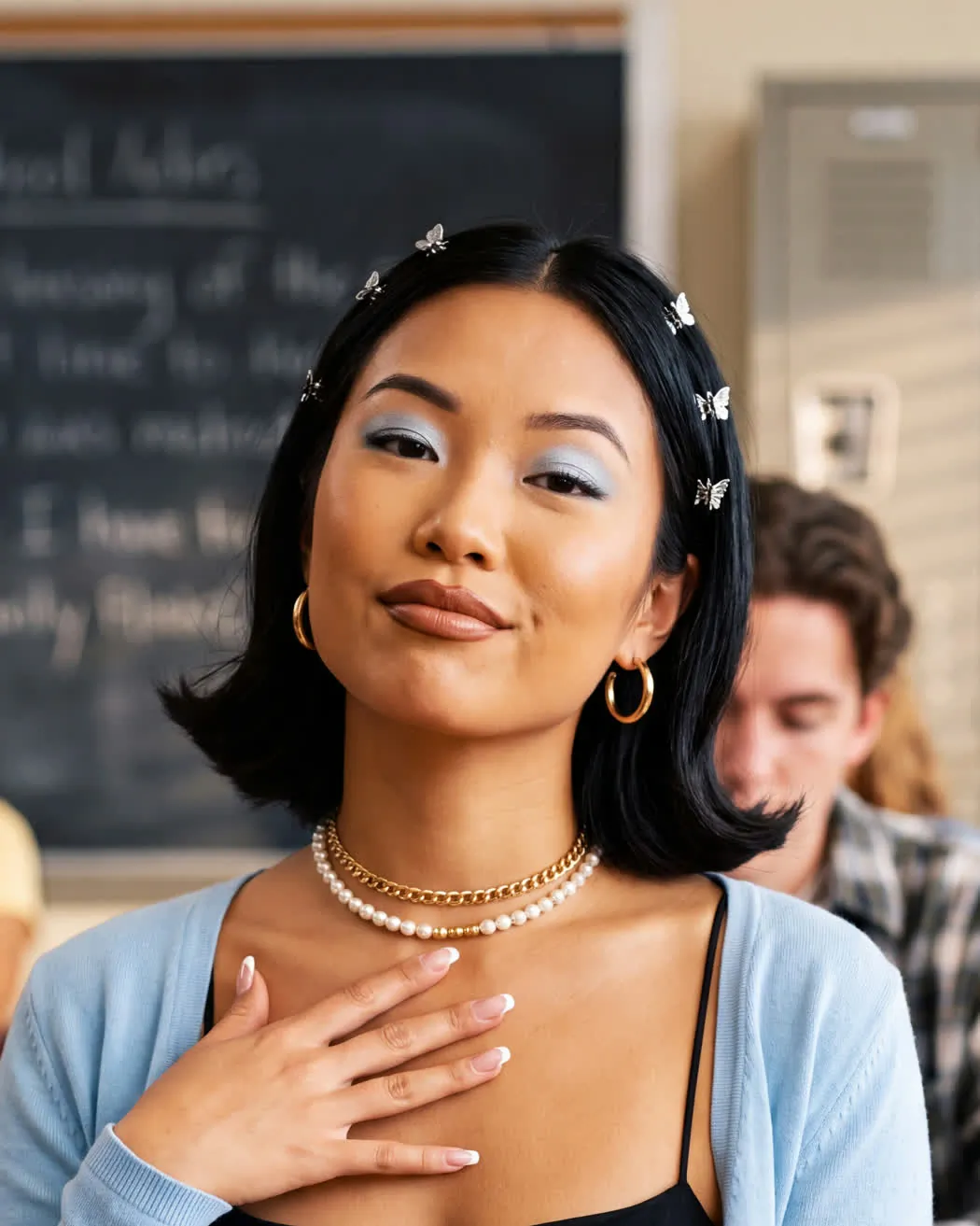
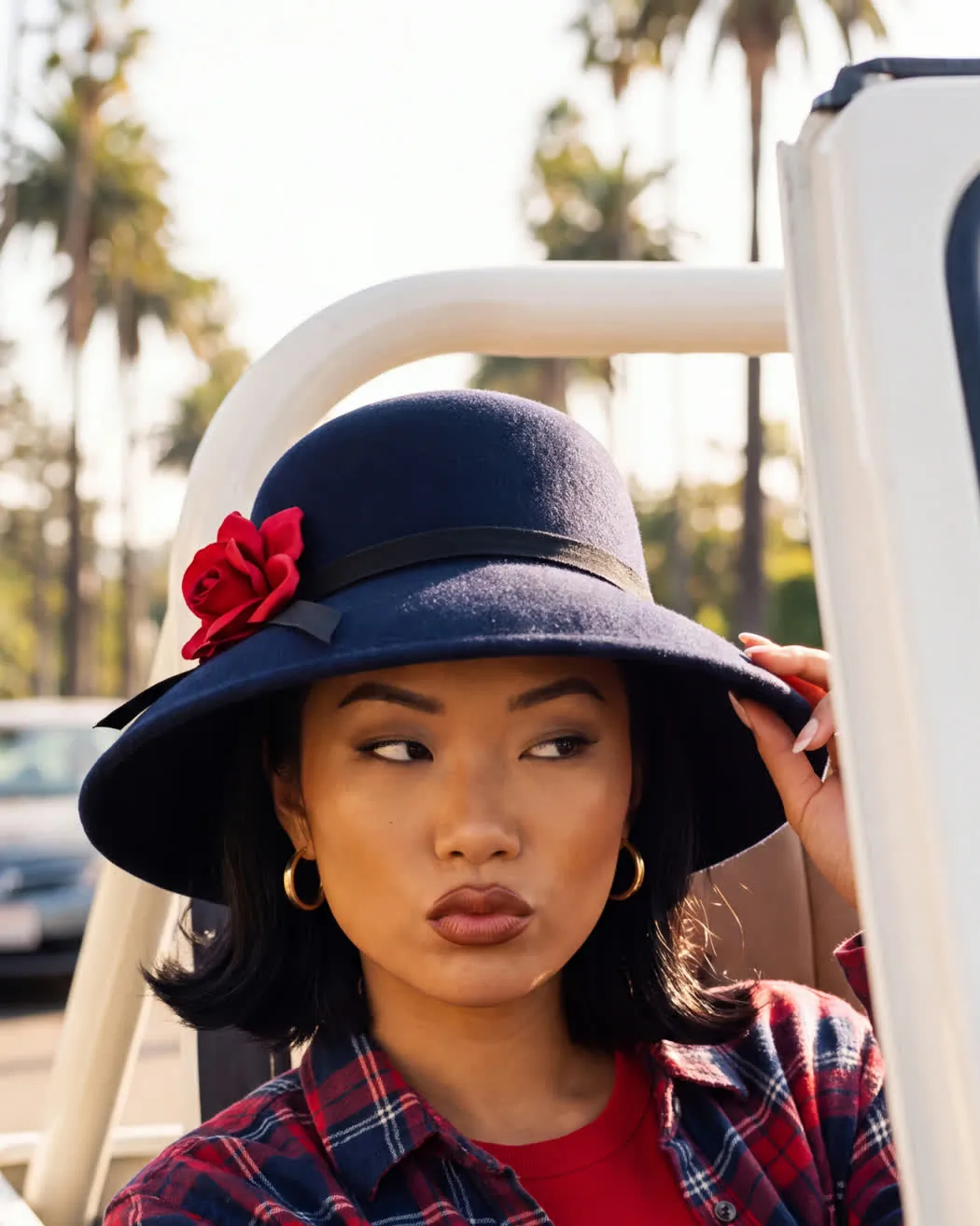
a film needs one person the audience follows. lock the look, the hair and the styling early, and reuse that exact character in every scene.
skip this and you get a slideshow of strangers. hold the character and the thing starts to feel like a story about someone.
a new face every scene reads as a mood board. one consistent character reads as a film.
FRAME
the story.
direct the frame, not just the subject. choose each shot for its job: a wide to place us, a close for emotion, an over the shoulder for connection.
then give each beat one camera move and one light source, no more. restraint is what reads as intentional instead of busy.
every shot framed the same way goes flat. the right shot for the moment is what gives a scene its feeling.
COLOUR
the era.
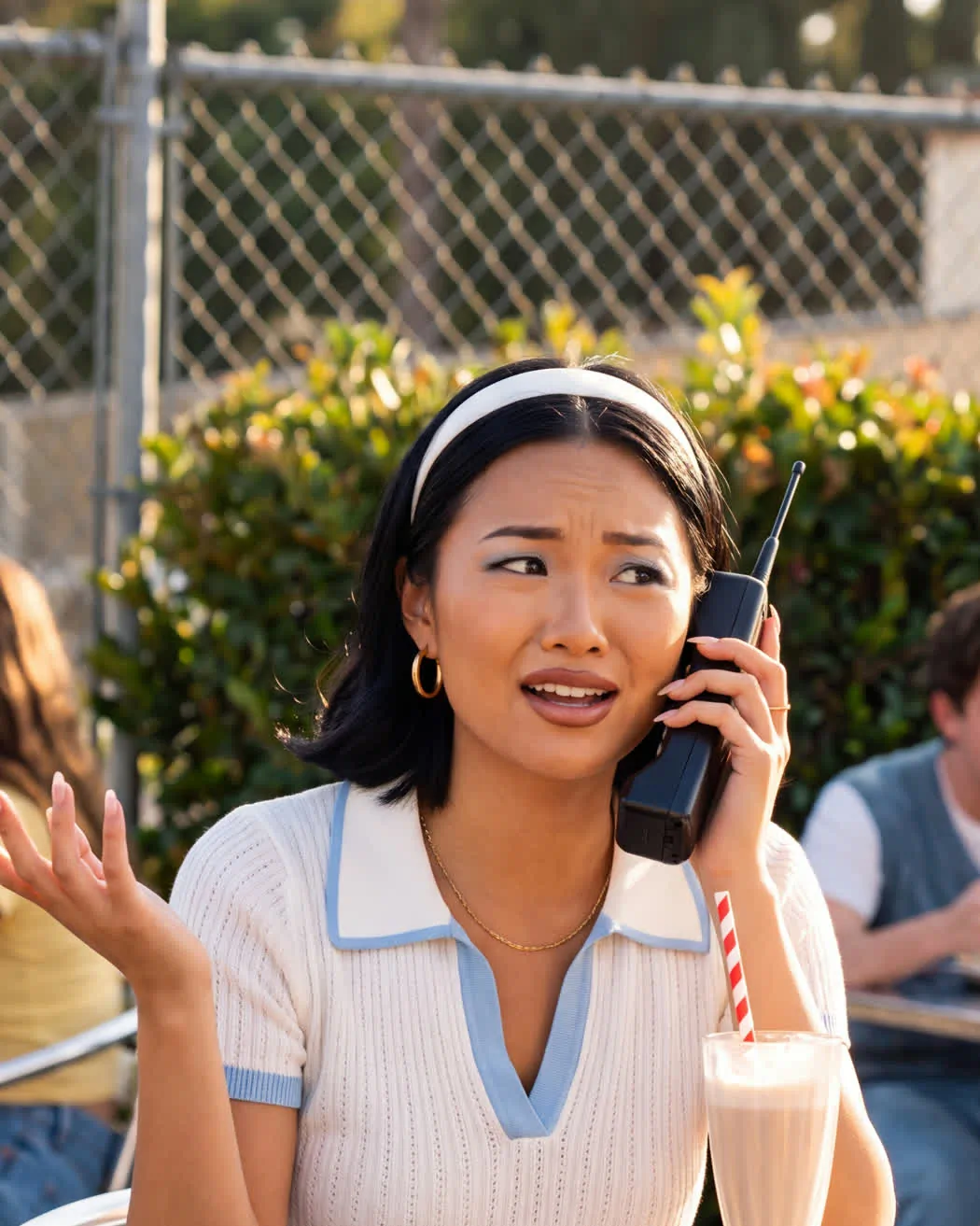
the grade is the era. colour and film stock date and feel an image more than anything you put in the frame. a warm 90s kodak look and a cold digital one tell completely different stories with the same scene.
name the stock and the palette so it is a decision, not a default. or skip the words entirely and feed in a short clip from youtube or a reel whose grade you love, and let it match that.
it looks like every other ai clip. grade it on purpose and it belongs to a time and a brand.
DIRECT
the tone.
sound carries the edit. the voiceover sets the point of view, and the music sets the pace and the feeling. most people leave both on default and wonder why the film feels empty.
direct the tone, not a specific track. describe how the voice should sound and how the music should feel, and let it cut to that.
silence or stock music flattens the whole thing. the right voice and track are half the emotion.
BUILD
the rhythm.
build the rhythm last, then fix by saying it. decide the pace, slow and luxurious or fast and punchy, and let the cuts and the music carry it.
when a beat is off, you do not start over. you change the one thing in a sentence and keep the rest. that single habit is what makes directing feel like directing.
you re-prompt from scratch for every tweak and never finish. change one thing at a time and the film keeps moving.
BUILD IT IN
one chat.
all of that happens in one conversation. open openart director, load your product so the brand is in from minute one, drop your film grab stills to set the world, then direct in the order above.
it handles the scenes, the pacing, the voiceover, the music and a consistent character, and it rebuilds around every change you ask for. you go straight to the directing instead of chasing the perfect prompt.
you are back to fighting prompts. direct it here and you talk the film into being instead.
THE
principles.
Direct, don't prompt
describe the intent and the feeling in the right order. the prompt is the slow way in, the direction is the point.
Reference beats description
one real film still says more than fifty adjectives. steal a specific world instead of inventing a vague one.
Lock the structural first
world and character before colour and cuts. each level depends on the one above, so build top down.
Protect the thread
the character and the product carry across every scene. guard both, or the film stops being one film.
One change at a time
keep everything, fix the single thing that is off. it rebuilds around you, so you never start over.
Sound is half of it
direct the voice and the music like a scene. tone and rhythm carry more emotion than most of the picture.
WHAT TO AVOID
THE FILM
one character, every scene.
the same character carried through a whole clueless world: the shopping run, the classroom, the convertible. one concept, directed in order, built in one conversation.
DIRECT YOUR
film.
Picture it, then direct it top down. Steal the world, cast the character, load the brand, then shoot, grade, score and cut.
You give the direction. OpenART Director handles the build.
Open OpenART Director